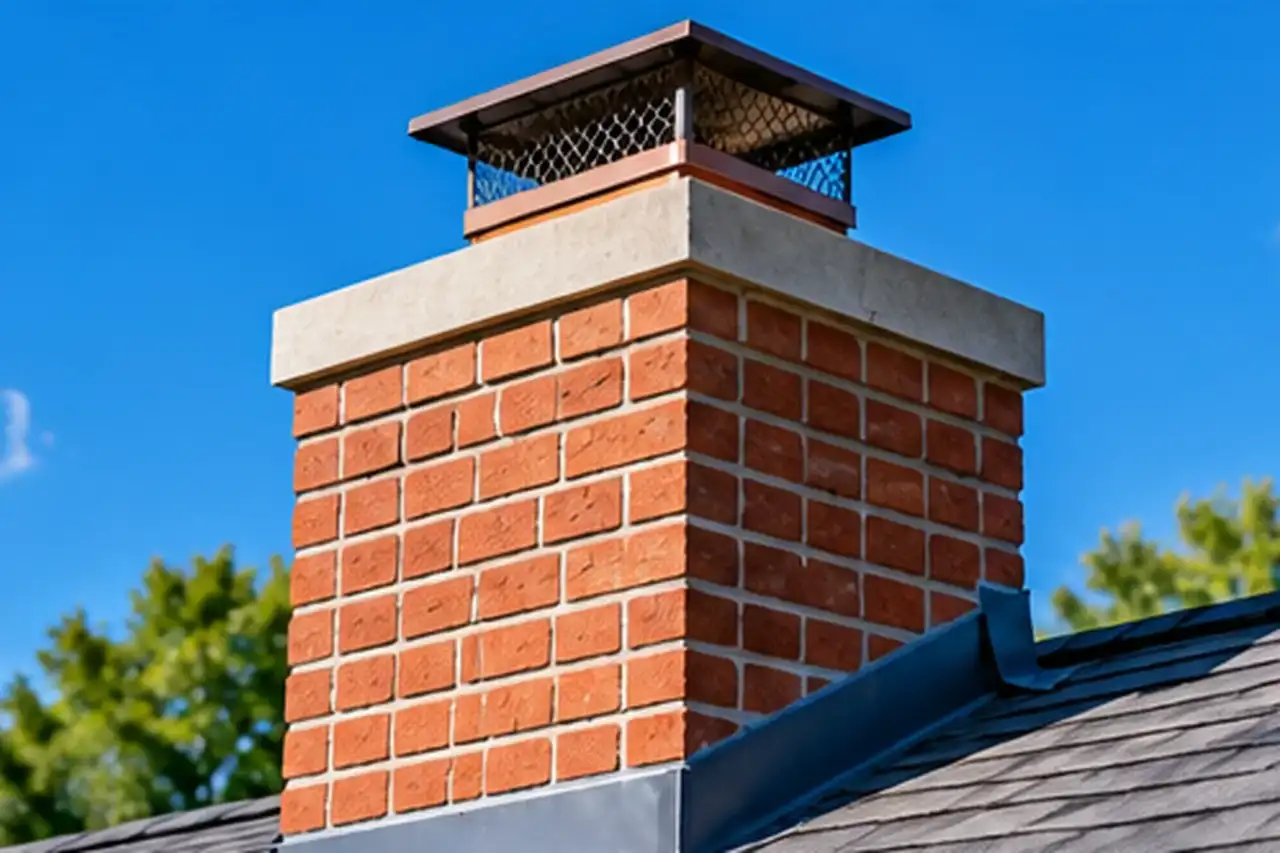
Chimney masonry
Chimney Repair in Salt Lake City, UT
A chimney takes more weather than any other masonry on the house. It is exposed on every side, sits above the roofline, and its top stays wet through the winter. We repair the masonry: crowns, brickwork, mortar joints and rebuilds above the roof.
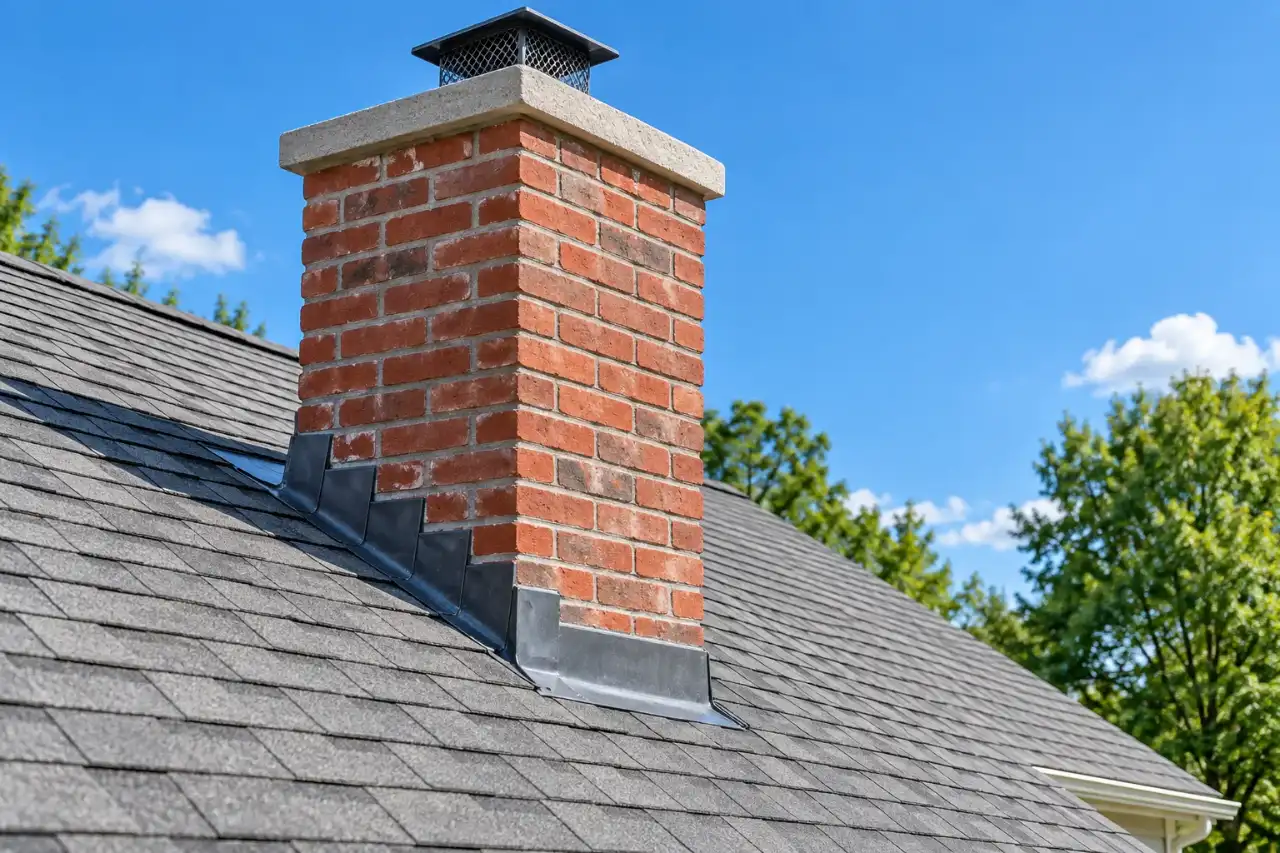
Understanding the Parts of a Chimney
Knowing what each part is called makes it much easier to describe a problem, and to understand an estimate:
Masonry stack
The brick or stone structure itself, running up through or alongside the house and extending above the roof.
Crown
The masonry or concrete top of the stack, covering the brick around the flue and shedding water away from it.
Cap
Usually a metal cover mounted over the top of the flue, sometimes with mesh sides, that keeps out rain, debris and animals.
Flue
The passage inside the chimney that carries smoke and combustion gases up and out, typically lined with clay tile or metal.
Flashing
The metal that seals the joint between the chimney and the roof, where water would otherwise get in.
One source of confusion: the building code calls the masonry top of the chimney a "chimney cap," while most homeowners and contractors call it the crown and reserve "cap" for the removable metal cover. On this page, crown means the masonry top and cap means the metal cover.
Chimney Crowns and Caps
The crown and the cap do different jobs, and they fail in different ways.
01
The crown
The crown's job is to keep water out of the top of the chimney. The 2021 International Residential Code, which Utah has adopted for homes, requires this masonry top to be made of durable materials, sloped to shed water, extended with a drip edge so water falls clear of the brick, and separated from the flue liner by a bond break sealed with caulk (2021 IRC Chapter 10, Section R1003.9.1).
Crowns commonly deteriorate through cracking, crumbling at the edges, separation around the flue, and water ponding on a top that doesn't slope enough. Because the crown sits directly over the brickwork, a cracked crown lets water straight into the chimney, where it can damage joints and brick from the inside.
Minor surface cracking can sometimes be repaired. A crown that is broken through, crumbling, or not shedding water usually needs to be replaced. For the warning signs, see our article on signs your chimney crown needs repair.
02
The cap
A metal rain cap keeps water and debris from falling directly down the flue. A damaged, rusted or missing cap is worth replacing because it lets rain into the flue. It's a separate component from the crown, and a new cap doesn't fix a cracked crown underneath it.
Signs of Chimney Masonry Damage
Many chimney problems can be seen from the ground with binoculars, from a window, or inside the house:
Crumbling or recessed mortar joints on the stack.
Loose, cracked or spalled bricks, sometimes with pieces landing on the roof or in the yard.
Cracks in the crown or in the stack itself.
White deposits or dark staining on the brick, which can signal water moving through the masonry.
Water stains on ceilings or walls next to the chimney inside the house.
Gaps where the chimney meets the roof or the side of the house
These observations are useful for describing a problem, but they can't tell you whether a chimney or fireplace is safe to use. A chimney can look sound from the outside and have problems inside the flue that only a proper chimney inspection will find. Inspection of the flue's condition and deposits is a distinct task, as described in the Chimney Safety Institute of America's guide to a Level 1 inspection of a masonry chimney.
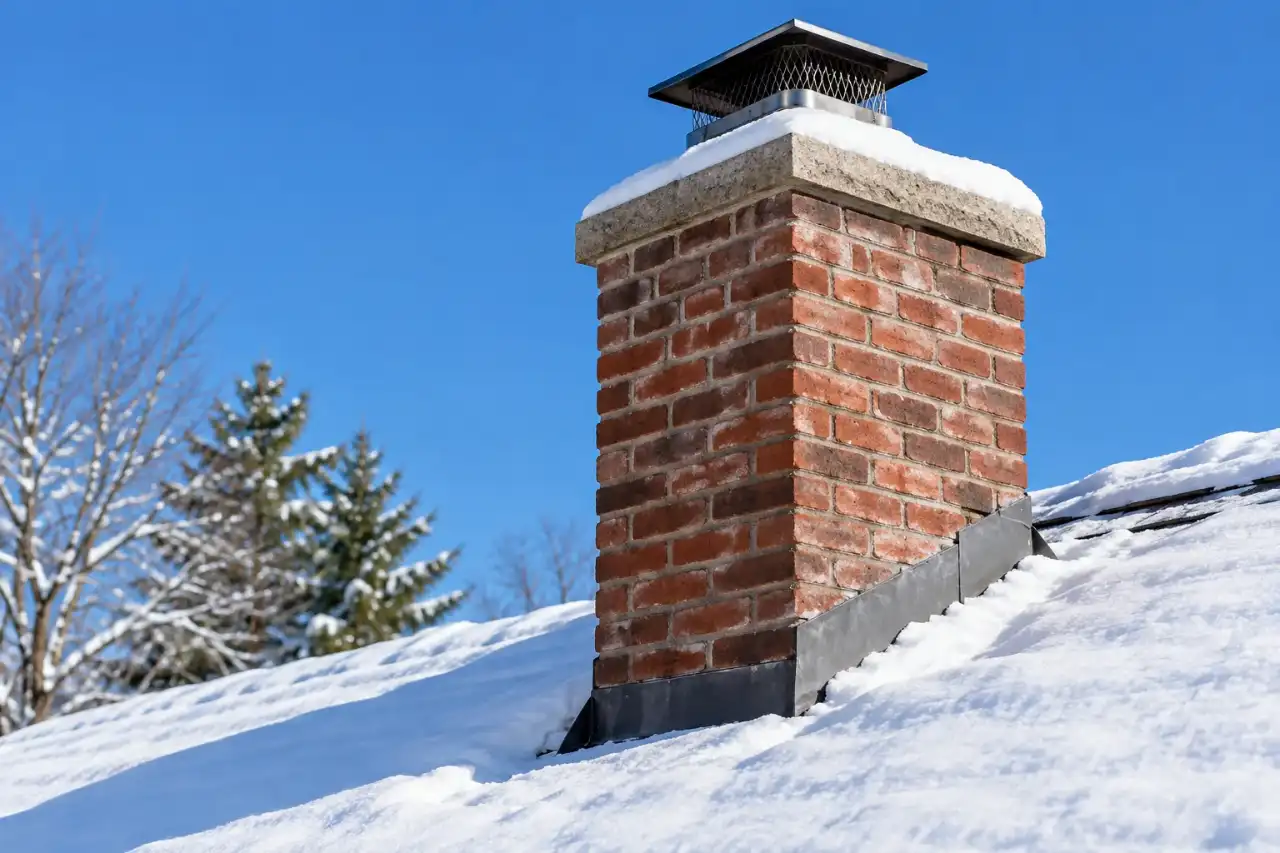
How Weather Above the Roofline Damages Chimneys
Most of a house's walls are partly sheltered by eaves, other walls or landscaping. The part of a chimney above the roof has no shelter at all. It catches rain and snow on every side and on top, and it dries and freezes faster than the rest of the house.
In Salt Lake City, that exposure includes winters that hover around freezing and roughly 52 inches of snow in an average year, according to NOAA's climate normals for the airport station. When water soaks into a chimney's brick and joints and then freezes, it can break down the masonry from within. Parts of the wider Wasatch Front also see strong downslope windstorms: the National Weather Service has documented gusts of 102 mph in Centerville in 2011 and 99 mph in Farmington in 2020 (NWS Salt Lake City). Those were exceptional events, not the conditions every home faces, but they show why chimneys in exposed locations deserve a look after major storms.
The practical lesson is that chimney masonry repair often goes hand in hand with correcting water entry. National Park Service maintenance guidance connects the condition of chimney caps and flashing directly to keeping water out of the masonry (NPS Preservation Brief 47). Repointing a chimney under a cracked crown, or beside failed flashing, leaves the original water source in place.
Get an Estimate
Photos and an address are the fastest way to a useful answer.
Leaning or Separating Chimneys
A chimney that leans, has pulled away from the house, or shows a widening gap where it meets the wall is moving, and that warrants a professional evaluation. Possible causes range from deterioration of the masonry to problems with what the chimney rests on. Which one applies can't be determined from appearance alone.
What is clear is that repointing alone doesn't fix instability. Fresh mortar in the joints of a chimney that's still moving will crack again, and it can hide the evidence an evaluation needs. Depending on what's found, the answer may involve rebuilding part of the chimney, addressing its support, or input from a structural engineer.
If a chimney is visibly leaning or separating, it's sensible to stop using the fireplace and keep people away from the area below it until it has been evaluated.
Partial and Full Chimney Rebuilding
Not every damaged chimney needs to come down, and not every chimney can be saved with repairs. The options generally fall into three levels:
Localized repairs
Localized repairs, such as replacing damaged bricks, repointing deteriorated joints and replacing the crown, when the stack is otherwise sound.
Rebuilding above the roofline
Rebuilding above the roofline, when the most exposed section has deteriorated badly but the chimney below the roof is in good condition.
More extensive rebuilding
More extensive rebuilding, when damage, movement or other problems extend further down the chimney.
The choice depends on how far the deterioration goes, whether the chimney is moving, the condition of the flue, and what has caused the damage. A partial rebuild also needs to tie in with the crown, flashing and roof, so those details are planned together.
Larger rebuilds can involve more than masonry, including permits, structural design and other trades for the flue or roofing. That's one reason a rebuild should be scoped after an assessment rather than quoted from a photo.
Earthquake Considerations for Older Chimneys
Salt Lake City sits along the Wasatch Front, where the Utah Geological Survey identifies significant earthquake hazards, including the Wasatch fault (UGS: Earthquakes). Older brick chimneys are among the parts of a house most vulnerable to shaking. They are tall, heavy and brittle, and many older ones were built without reinforcement. The Utah Division of Emergency Management highlights the vulnerability of unreinforced masonry and notes that you can't confirm reinforcement just by looking at the brick (Utah DEM: Unreinforced Masonry).
It's important to be clear about what ordinary chimney repair does. A FEMA advisory written after the 2014 South Napa earthquake found that repointing or patching cracks does little to improve a chimney's earthquake performance, and that meaningful mitigation requires an engineered design (FEMA chimney recovery advisory). Routine masonry repair keeps a chimney weathertight and sound; it doesn't make it earthquake safe.
If earthquake performance is a concern, the decisions belong with a structural engineer. After any noticeable earthquake, have a chimney checked by a qualified professional before using the fireplace again.
Code Considerations for Chimney Work
Chimney work in Utah falls under the state's adopted building codes. Under Utah Code §15A-2-103, the 2021 International Residential Code applies to homes, with state amendments, and Salt Lake City Building Services explains how those codes apply locally (SLC: Current Building Codes).
Chapter 10 of the residential code covers chimneys and fireplaces, including requirements such as the crown details described above, flue construction and clearances to combustible materials. How much of that applies depends on the job:
Repairs
Repairs such as replacing bricks or repointing generally restore what's there.
Rebuilding
Rebuilding part or all of a chimney involves new construction, so current requirements for that construction come into play.
Flue and clearance requirements
Flue and clearance requirements matter whenever work affects the flue or the chimney's relationship to the house framing.
Whether a particular project needs a building permit depends on its scope and location. For homes in Salt Lake City, the city's Building Services division is the authority; other cities in the area have their own building departments.
Masonry Work and Other Chimney Services
A chimney combines masonry with components that are often handled by other specialists, so it helps to know which is which.
Chimney masonry work covers the stack, crown, brick replacement, repointing and rebuilding, which is the focus of this page.
Other chimney services include:
When you contact us, tell us what you've noticed and anything a sweep or inspector has already told you. That helps sort out which parts of the project are masonry work and which are not.
✓
Sweeping, which removes soot and creosote deposits from the flue. It's a separate task from masonry repair, usually done by a chimney sweep.
✓
Flue inspection and liner work, including relining a damaged flue.
✓
Rain caps and dampers
✓
Flashing, where the chimney meets the roof, which involves the roofing as well as the masonry.
✓
Fireplace and appliance work, such as fireboxes, inserts and stoves.
Chimney Repair Questions
Is my fireplace safe to use?
We can't determine that from outside observations, and a masonry estimate isn't a safety inspection. If you have concerns about the flue, the firebox or the chimney's stability, have the chimney inspected by a qualified chimney professional before using the fireplace.
Can a cracked crown be repaired, or does it need replacing?
It depends on how badly it's cracked and whether it still sheds water. Hairline surface cracks are sometimes repairable. A crown that's broken through, crumbling or holding water usually needs replacing.
Do I need a chimney sweep or a mason?
If the problem is in the masonry, such as crumbling joints, damaged brick, a cracked crown or a leaning stack, that's masonry work. If the concern is soot, creosote, drafting or the flue's interior, start with a chimney sweep or inspector.
Can chimney repair be done in winter?
Some chimney work can, with protection for fresh mortar in cold weather. Work on the roof also depends on safe access. Timing is something to discuss when the work is scoped.
What should I send with my request?
Photos of the chimney from the ground, a close up of any damage you can safely see, photos of any interior water stains, and whether you use the fireplace.
Related Services
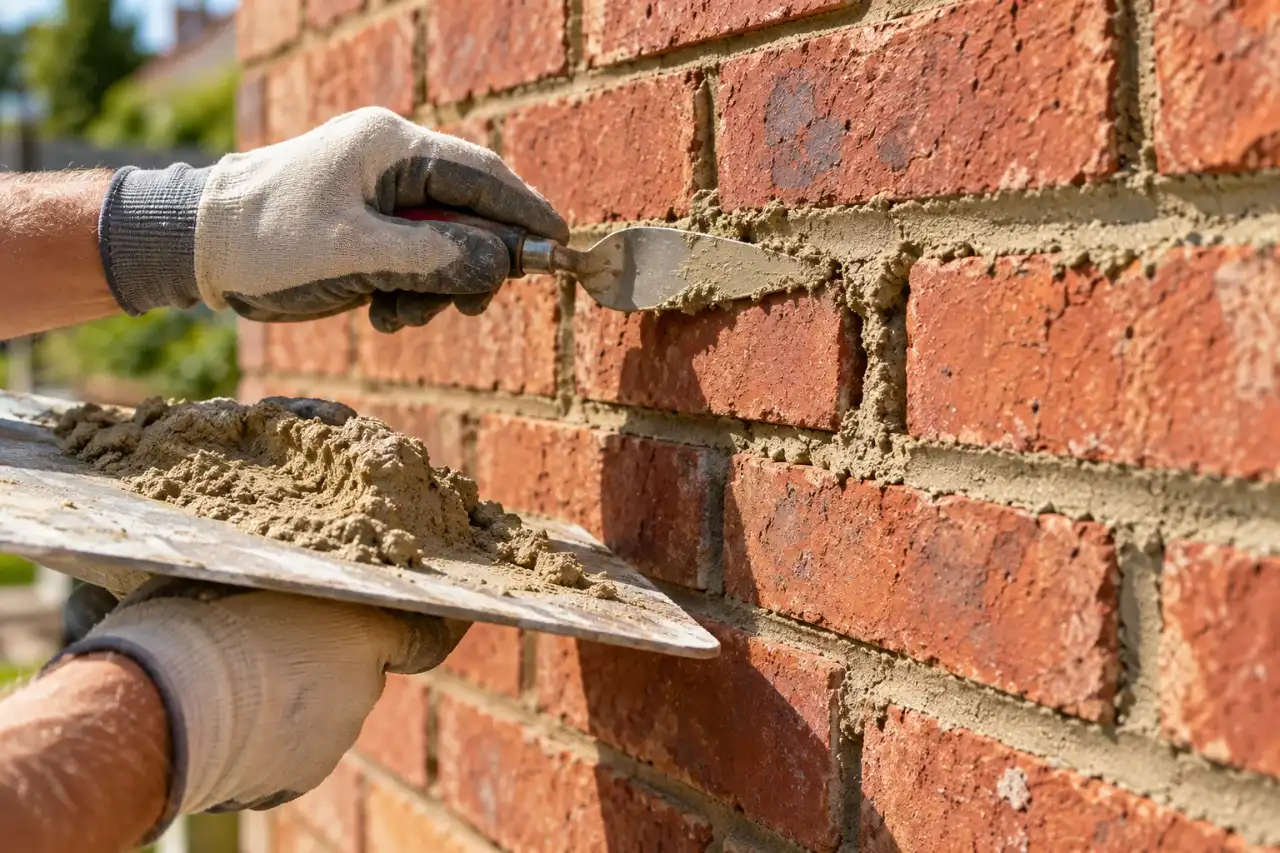
Worn mortar raked out and replaced with a mix that suits the age and hardness of your brick.
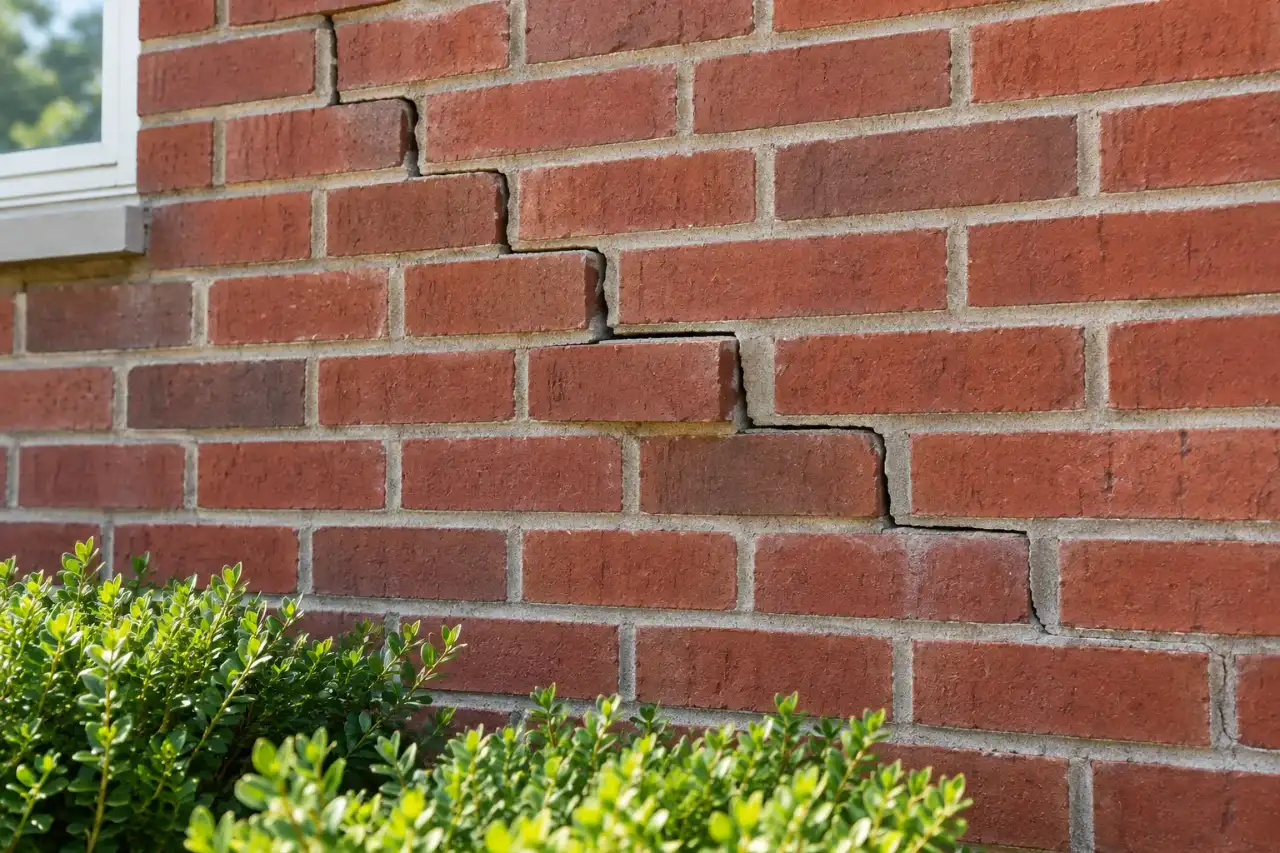
Cracked, loose, flaking or bulging brick, block and stone, repaired once the cause is understood.
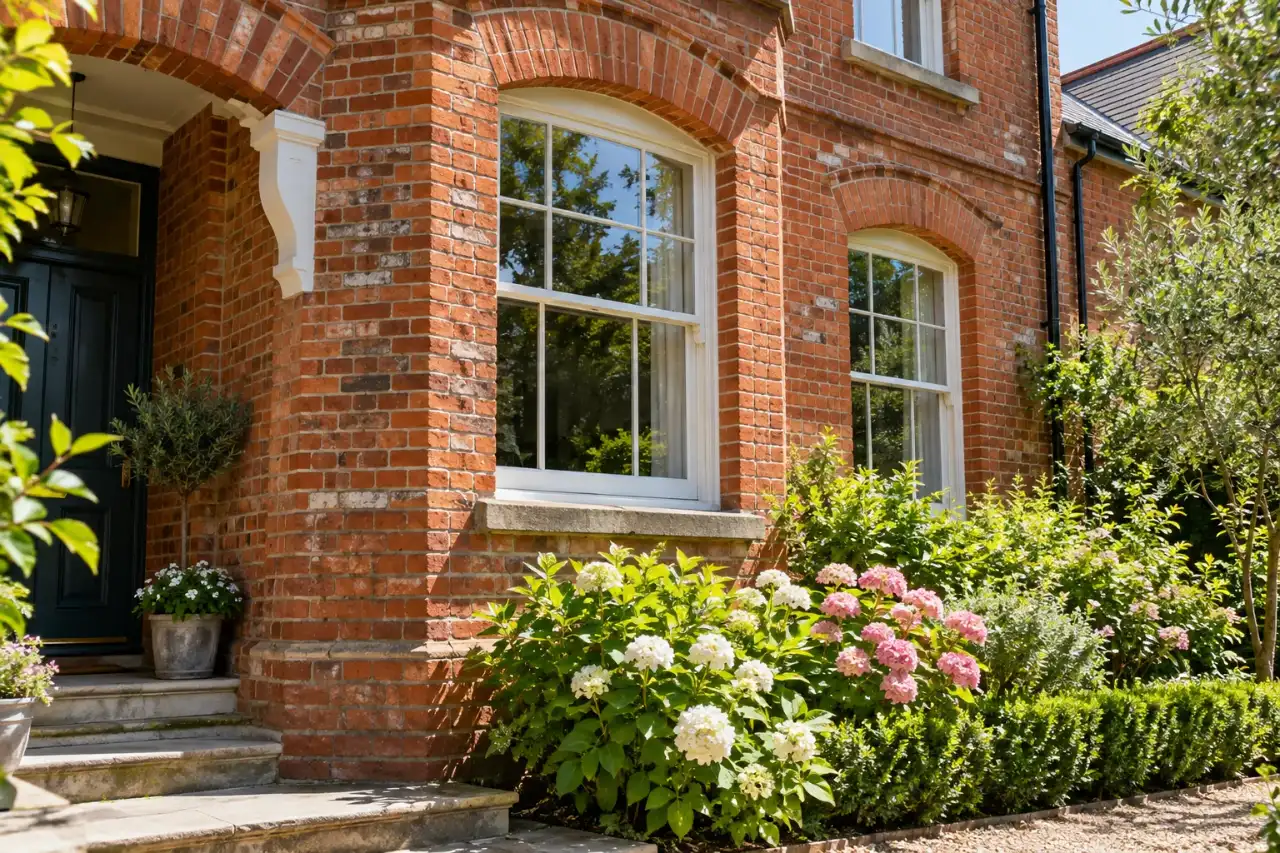
Careful work on older and historic brick and stone, where keeping original material matters.
Areas We Serve for Chimney Repair
Get Your Chimney Repair Estimate
Cracked crowns, crumbling joints and loose brick are easier to fix before water has spent another winter working its way in. Call Salt Lake City Masonry at (385) 516-8689, Monday to Saturday 8 AM to 9 PM and Sunday 10 AM to 3 PM, or request a free estimate. For brick damage elsewhere on the house, see our masonry repair page, and for older or historic chimneys, our masonry restoration page. Mortar joint work across the whole house is covered on our tuckpointing page.