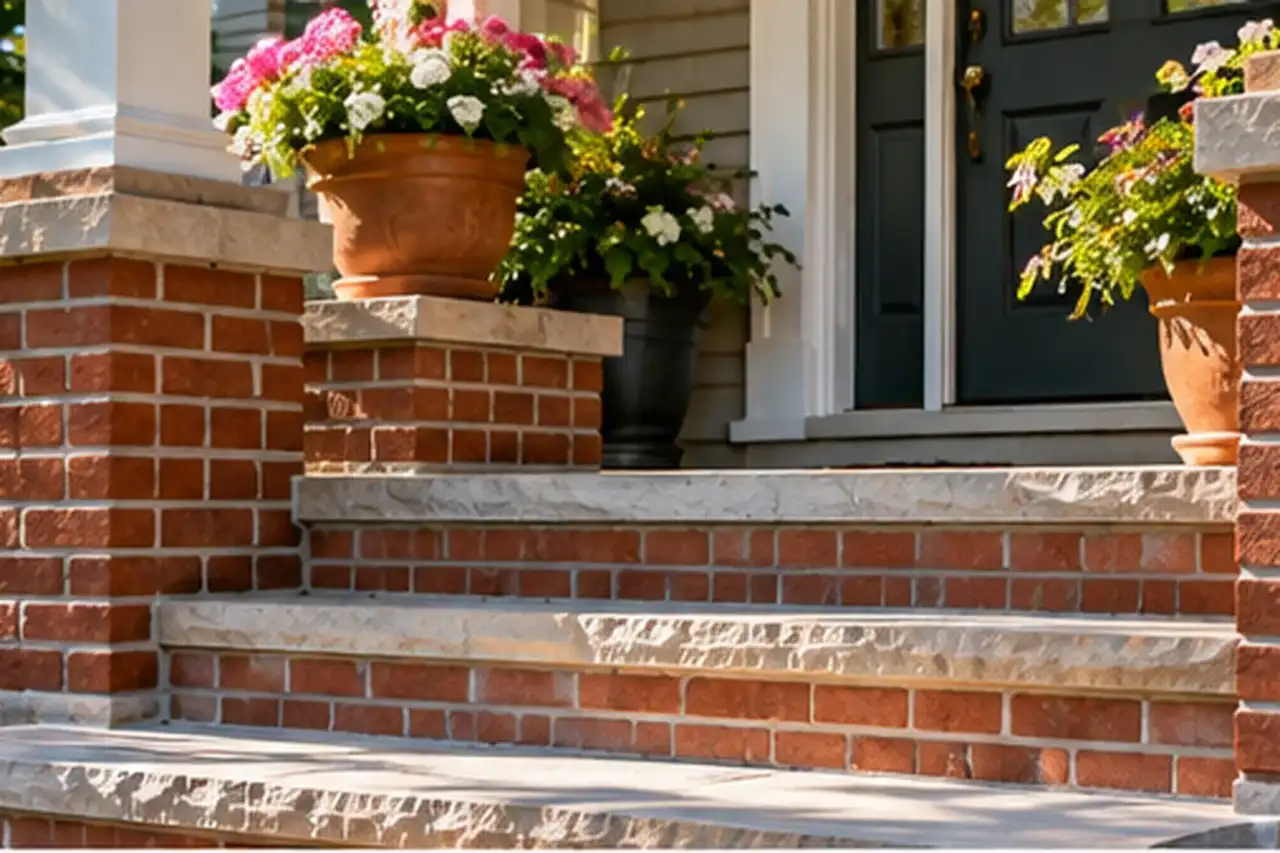
Older and historic masonry
Masonry Restoration in Salt Lake City, UT
Restoration is for masonry that needs more than a spot repair: an older brick home with decades of patches, a stone foundation painted over more than once, a facade that is stained and tired. The goal is to keep as much original material as possible and make every repair work with it.
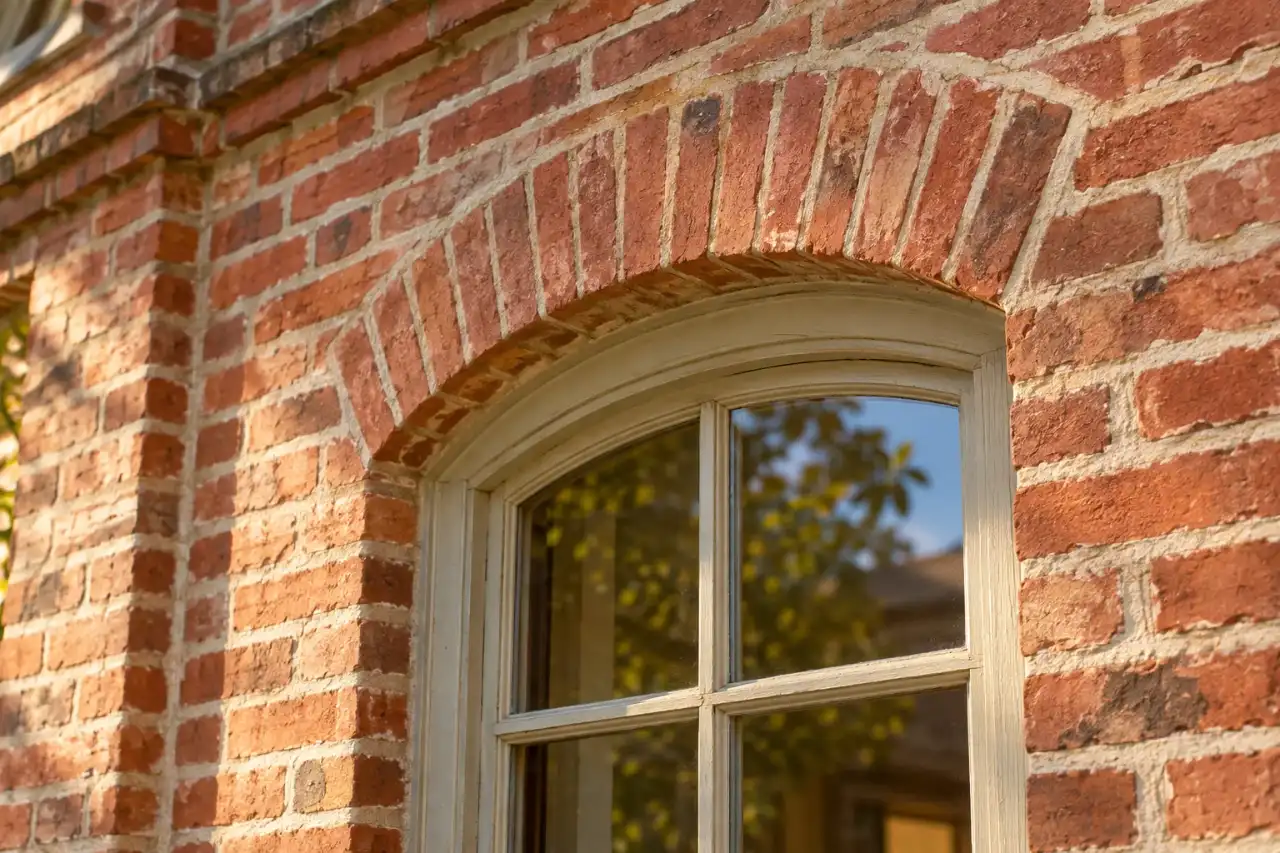
What Masonry Restoration Includes
Every restoration project starts from the condition of the masonry rather than from a fixed package. A typical scope draws on several kinds of work:
Condition assessment
Identifying the materials, where they're failing and why. Water is usually the first suspect.
Cleaning, where it's appropriate, using the gentlest method that does the job.
Repointing deteriorated joints with mortar compatible with the existing brick or stone.
Replacing units that are too damaged to keep, with materials matched as closely as practical.
Moisture related corrections, such as problems with gutters, downspouts, caps or grading that are feeding water into the masonry.
Decisions about coatings, including whether a water repellent is warranted at all.
The scope is chosen by working from cause to effect. Stopping water from getting in comes before cosmetic work, and repairs come before cleaning that might reveal more damage. Not every project needs every step; some need only careful repointing and a gutter fix.
Restoration Versus Localized Repair
Not every older wall needs restoration. If a few joints have failed or a handful of bricks are spalled on an otherwise sound wall, a targeted fix is often the right call. Our masonry and brick repair and tuckpointing and repointing pages cover those services.
A coordinated restoration plan makes more sense when:
Treating these situations one repair at a time tends to produce a patchwork of mismatched mortar and short lived fixes. Planning them together lets the work happen in a sensible order.
✓
Deterioration is widespread across a facade, rather than in one spot.
✓
Several problems interact, such as failing joints, staining and spalled brick all tied to the same moisture source.
✓
Earlier repairs used incompatible mortar or treatments that now need undoing.
✓
The building's historic character matters, and repairs need to be consistent across the whole elevation.
✓
The property is locally designated and the work needs approval as a single scope.
Historic Brick and Lime Mortar
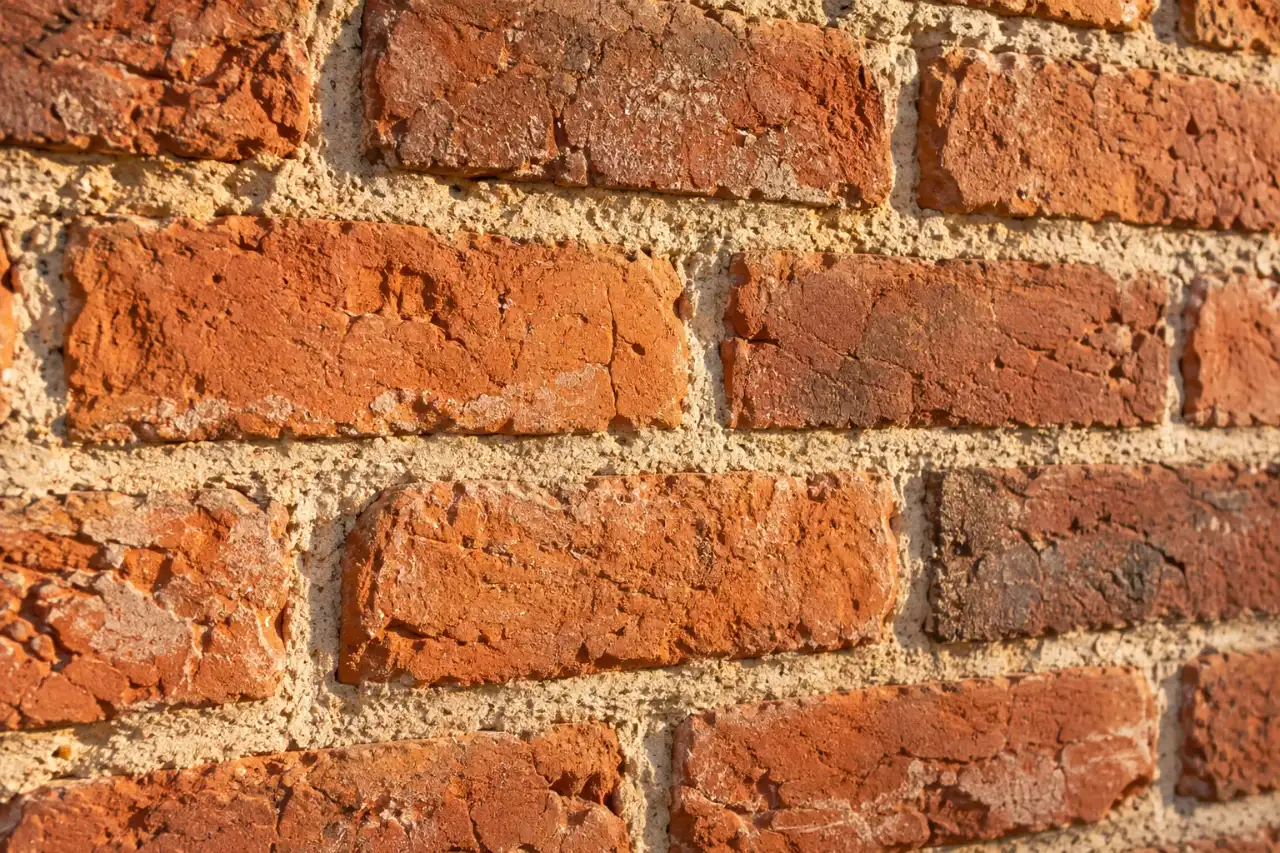
Salt Lake City has a long history of brick construction. The city's preservation handbooks for neighborhoods such as the Avenues and Central City document residential development going back to the nineteenth century, with brick among the historic building materials. That history doesn't mean every older home in the city was built the same way, though. Brick, mortar and construction methods varied from builder to builder and decade to decade.
Many older buildings were laid in mortars with a high lime content, which are softer and more permeable than many modern cement mortars. NPS guidance on repointing historic masonry recommends evaluating the existing mortar and choosing a replacement that is compatible with the historic brick in strength and permeability, and that matches the original in appearance (NPS Preservation Brief 2). Using a modern hard mortar on soft historic brick is one of the most common ways well meant repairs end up damaging a wall.
The practical takeaway: the right mortar for a historic wall comes from looking at that wall. A building's age is a reason to check, not a recipe.
Cleaning Masonry Without Avoidable Damage
Cleaning can make a real difference to how an old building looks, and it's also where some of the worst damage happens. National Park Service guidance is clear on the main risks:
Abrasive cleaning
Abrasive cleaning such as sandblasting can erode the hard outer face of brick and wear away the tooling on cut stone, leaving a rougher surface that weathers faster (NPS Preservation Brief 6).
High pressure water
High pressure water can damage masonry and mortar and force water deep into the wall.
Chemical cleaners
Chemical cleaners that suit one material can stain or etch another.
The safer approach starts with testing. Cleaning methods are tried on a small, inconspicuous area first, beginning with the gentlest option, and judged after they've dried. NPS guidance on assessing cleaning treatments and BIA guidance on cleaning brickwork both describe testing and restraint as the foundation of masonry cleaning (NPS Preservation Brief 1). Where a commercial cleaner is used, the manufacturer's instructions for that product and that material apply.
It also helps to ask whether cleaning is needed at all. Some weathering is part of an old wall's character, and a gentle cleaning that leaves some patina is usually better for the masonry than an aggressive one that makes it look new.
Get an Estimate
Photos and an address are the fastest way to a useful answer.
Efflorescence and Staining
Efflorescence is the white, powdery deposit that appears on brick and stone. It forms when water dissolves salts within the masonry, carries them to the surface and evaporates, leaving the salts behind (BIA Technical Note 23A).
A light dusting after a wet spell, or on new masonry, can be minor. The deposit itself is usually not the problem; it's a sign of where water is moving. Efflorescence that keeps coming back points to a continuing water source, such as a leaking cap, failed joints, poor drainage or wicking from the ground, and that source is worth finding. Salts that crystallize inside the masonry rather than on its surface are a more serious concern, because they're associated with deterioration of the masonry itself.
Other stains, from runoff, metal fixtures or earlier treatments, each call for a different approach, and some can't be fully removed without harming the surface. Cleaning can remove existing deposits, but no cleaning can promise they won't return while water keeps moving through the wall.
Sealers, Coatings and Masonry Breathability
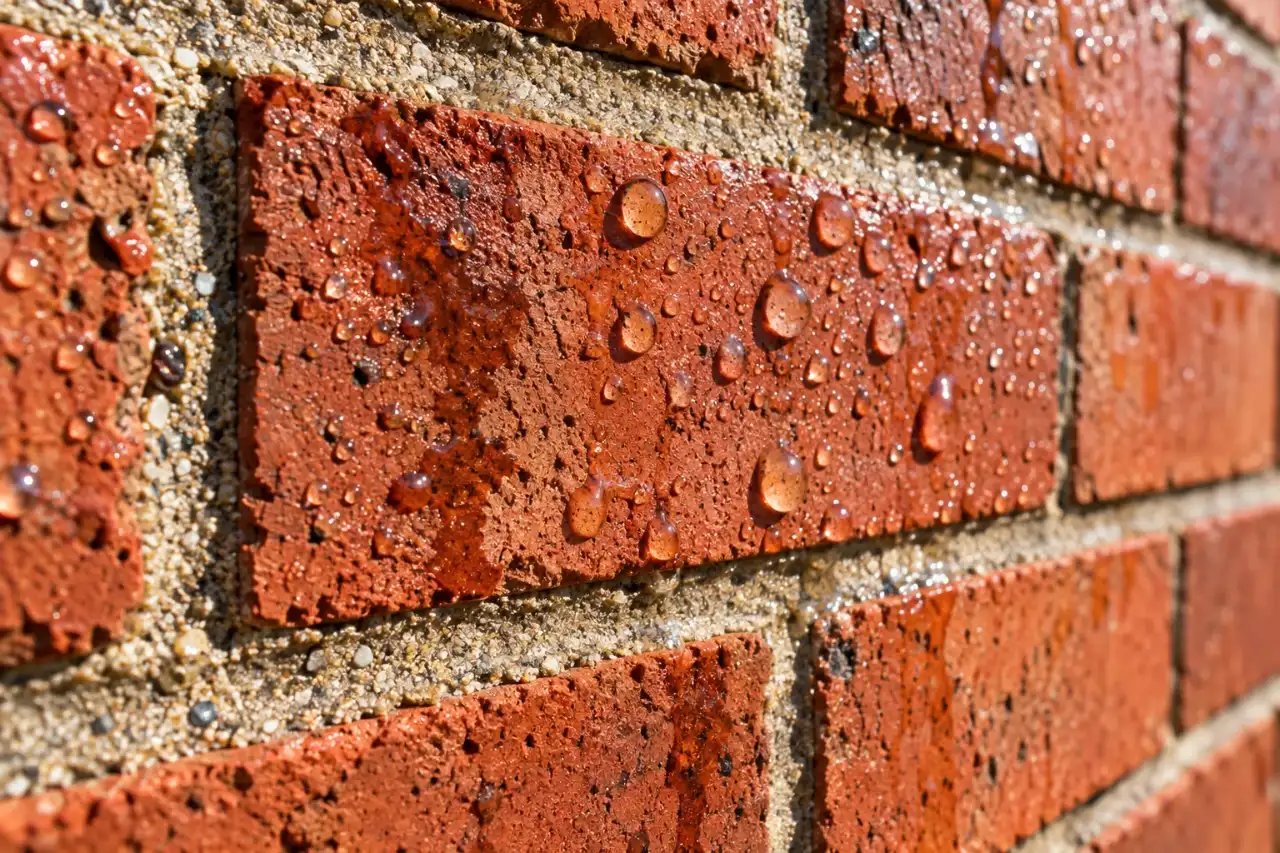
Sealing brick sounds like a sensible way to keep water out, but it isn't a routine restoration step. NPS guidance distinguishes water repellents, which reduce liquid water absorption while still letting water vapor pass, from waterproof coatings, which block both, and it warns that impermeable coatings can trap moisture in historic masonry and cause damage.
BIA's guidance on colorless coatings for brick makes a related point: coatings are often unnecessary, and whether one is suitable depends on the brick, the coating's vapor transmission and the reason it's being considered (BIA Technical Note 6A). A sealer is no substitute for fixing the leaking cap, failed joints or drainage that is letting water in.
Paint raises similar issues. Salt Lake City's historic preservation program advises against painting historic masonry that was never painted, and painting previously unpainted masonry on locally designated properties is subject to local preservation restrictions (SLC: Help Preserve Historic Masonry).
Salt Lake City Historic Review Requirements
If your property is locally designated, either as an individual landmark or within one of the city's local historic districts, exterior masonry work may need approval from Salt Lake City's historic preservation program before it starts. The city describes this through its Certificate of Appropriateness process (SLC: Applications and Approvals).
A few points help keep this in perspective:
The city also publishes design guidelines for historic residential properties and districts. If you're unsure whether your property is designated, check with the city before planning exterior masonry work.
✓
Not every project goes to a hearing
Depending on the scope, some work can be reviewed by staff, while larger changes may go before the Historic Landmark Commission.
✓
Local designation is not the same as National Register listing
A home can be listed on the National Register without being subject to local review, and the city's process applies based on local designation.
✓
Historic approval can come before the building permit
Salt Lake City's permit guidance notes that historic approval may be needed before a building permit is issued (SLC Building Permits FAQ).
✓
Older does not mean designated
Many older homes in Salt Lake City are not locally designated and are not subject to this review.
Preservation Standards for Historic Masonry
Much of what counts as good practice for historic masonry comes from the National Park Service's Preservation Briefs, which are widely used technical guidance. Across cleaning, repointing and maintenance, a few principles recur:
Clean gently and test first, avoiding abrasive and high pressure methods that remove the protective surface of brick and stone.
Use compatible mortar that matches the original in appearance and suits the historic brick in strength and permeability.
Match replacement units to the original as closely as practical in size, color and texture, judging matches from cured test areas.
Maintain to prevent damage, especially by keeping water away from the masonry. NPS guidance on maintaining historic exteriors connects regular inspection of roofs, chimneys, walls and drainage to the long term condition of masonry (NPS Preservation Brief 47).
It's worth separating guidance from requirements. The Preservation Briefs are best practice recommendations, not laws that apply to every older home. What's legally required for a particular property depends on its designation and the rules of its jurisdiction, such as Salt Lake City's review for locally designated properties. For an undesignated older home, these principles are still the most reliable way to avoid damaging the masonry you're trying to save.
Masonry Restoration Questions
Will restored brick look new?
Usually not, and that's generally a good thing. Restoration aims to make masonry sound and consistent while keeping its age and character. New mortar and replacement units will weather in over time.
Can you match my existing brick and mortar exactly?
An exact match isn't realistic for most older masonry, but a close match from normal viewing distance usually is. That depends on measuring the existing brick, sourcing suitable units, and testing mortar color once it has cured.
Do I have to restore the whole house at once?
No. Restoration can often be phased, starting with whatever is letting water in or deteriorating fastest. Planning the full scope first helps keep later phases consistent.
Should the masonry be cleaned before repointing?
Sometimes, but not always, and not with aggressive methods. Whether and when to clean depends on the masonry and what's on it, and it should be decided as part of the overall plan.
Does restoration include the chimney?
It can. Chimneys are often among the most weathered masonry on an older house. Chimney specific issues, such as crowns and flashing, are covered on our chimney repair page, and natural stone work on our stone masonry page.
Related Services
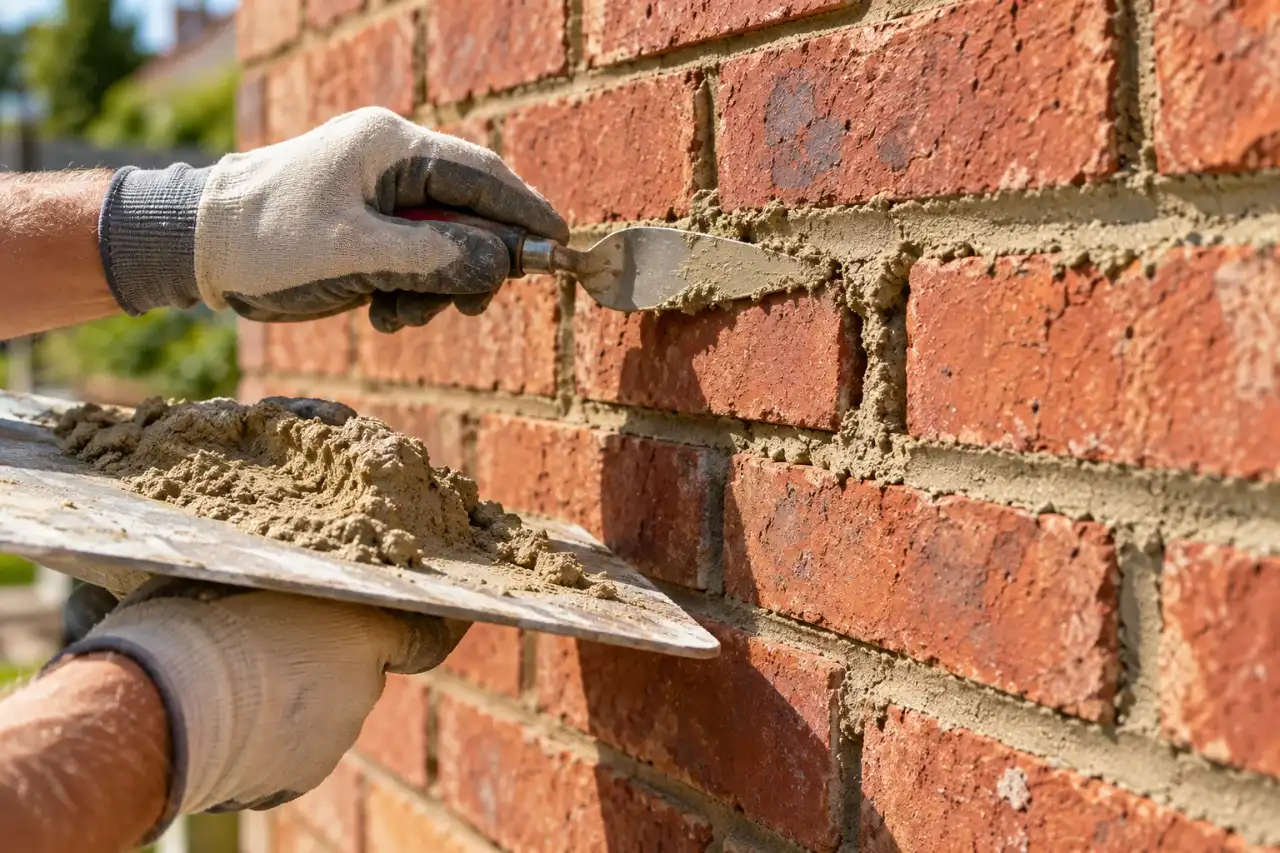
Worn mortar raked out and replaced with a mix that suits the age and hardness of your brick.
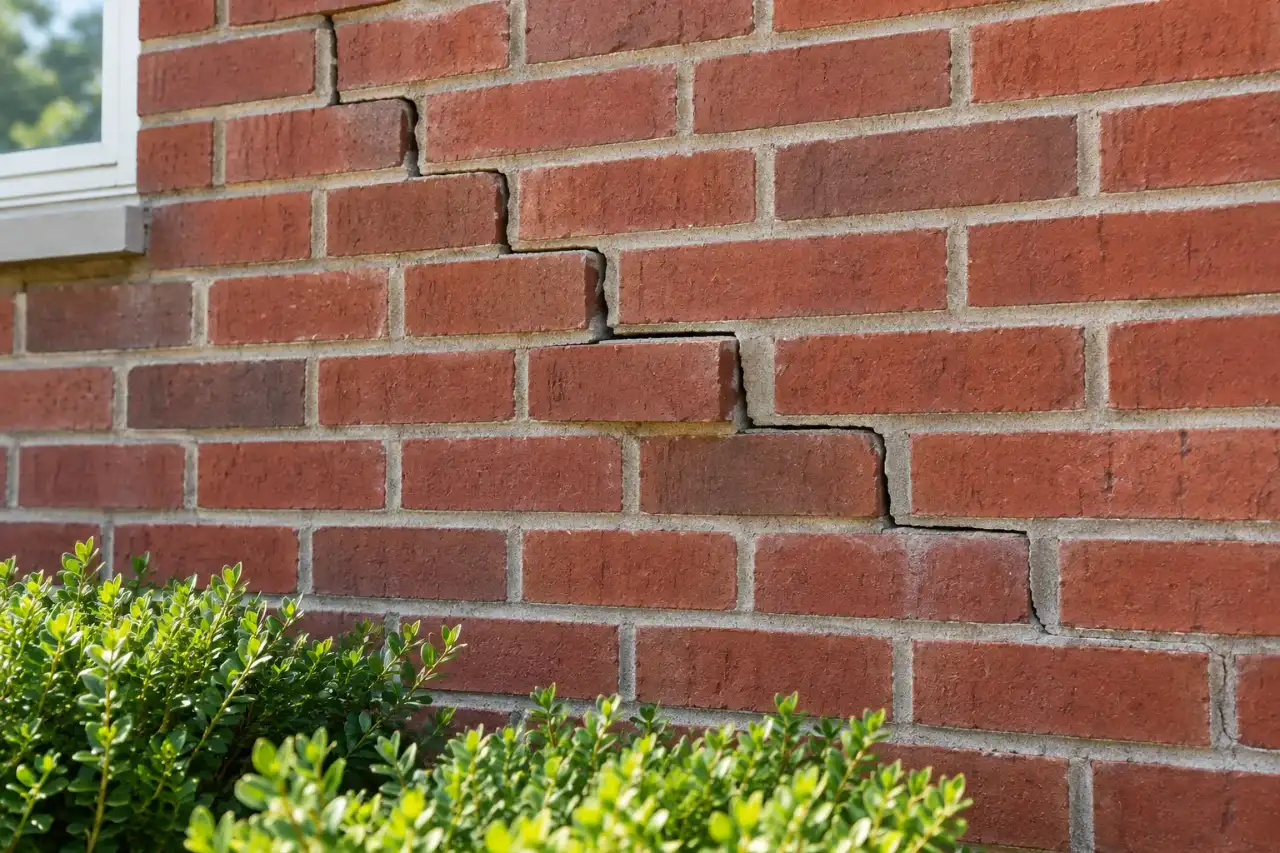
Cracked, loose, flaking or bulging brick, block and stone, repaired once the cause is understood.
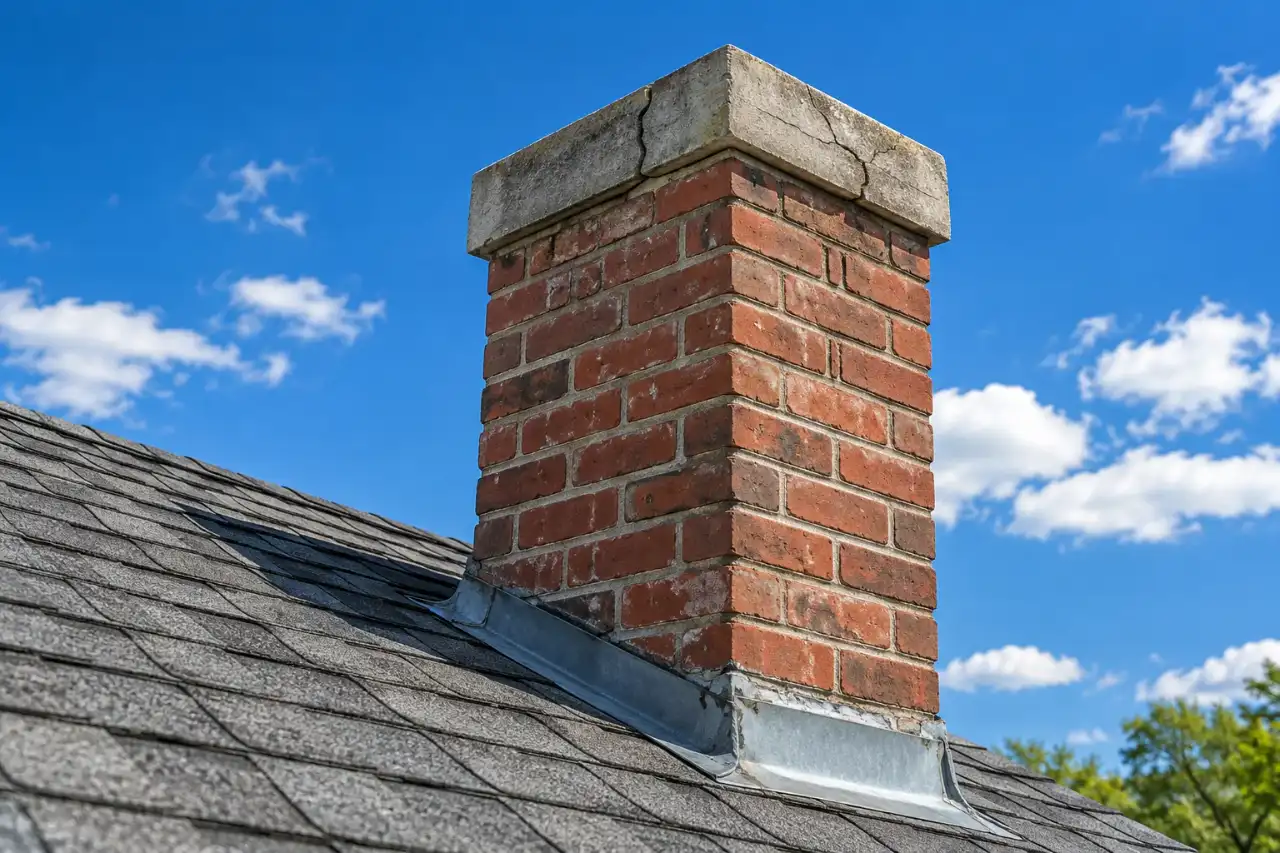
Crowns, joints and brick above the roofline, the part of the house winter hits hardest.
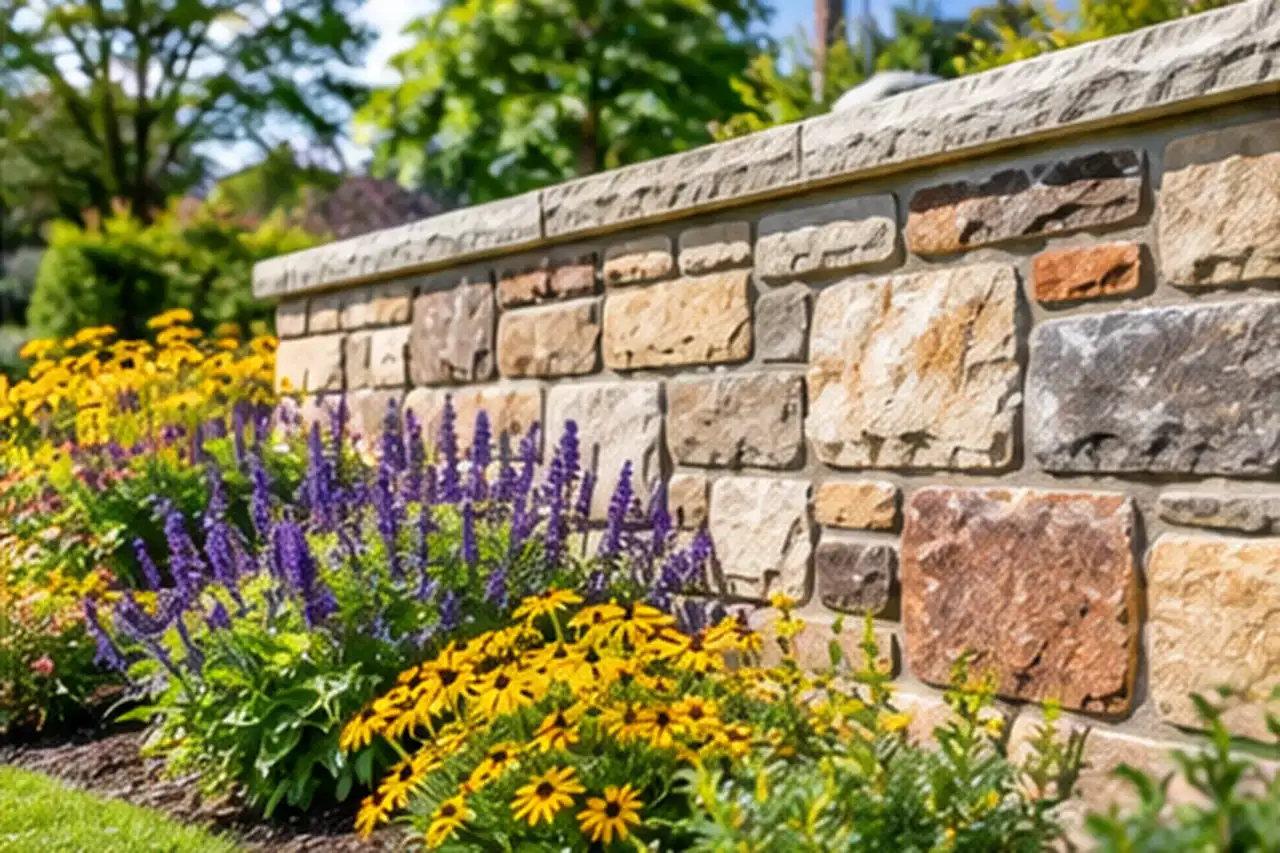
Natural stone walls, steps, columns and veneer, built new or reset when they shift.
Plan Your Masonry Restoration
If your older brick or stone is showing its age, start with a conversation about what's happening and why. Call Salt Lake City Masonry at (385) 516-8689 or request a free estimate, and let us know if your property is in a historic district.